

Albania vs Croatia: Which One Is Right for Your Trip?
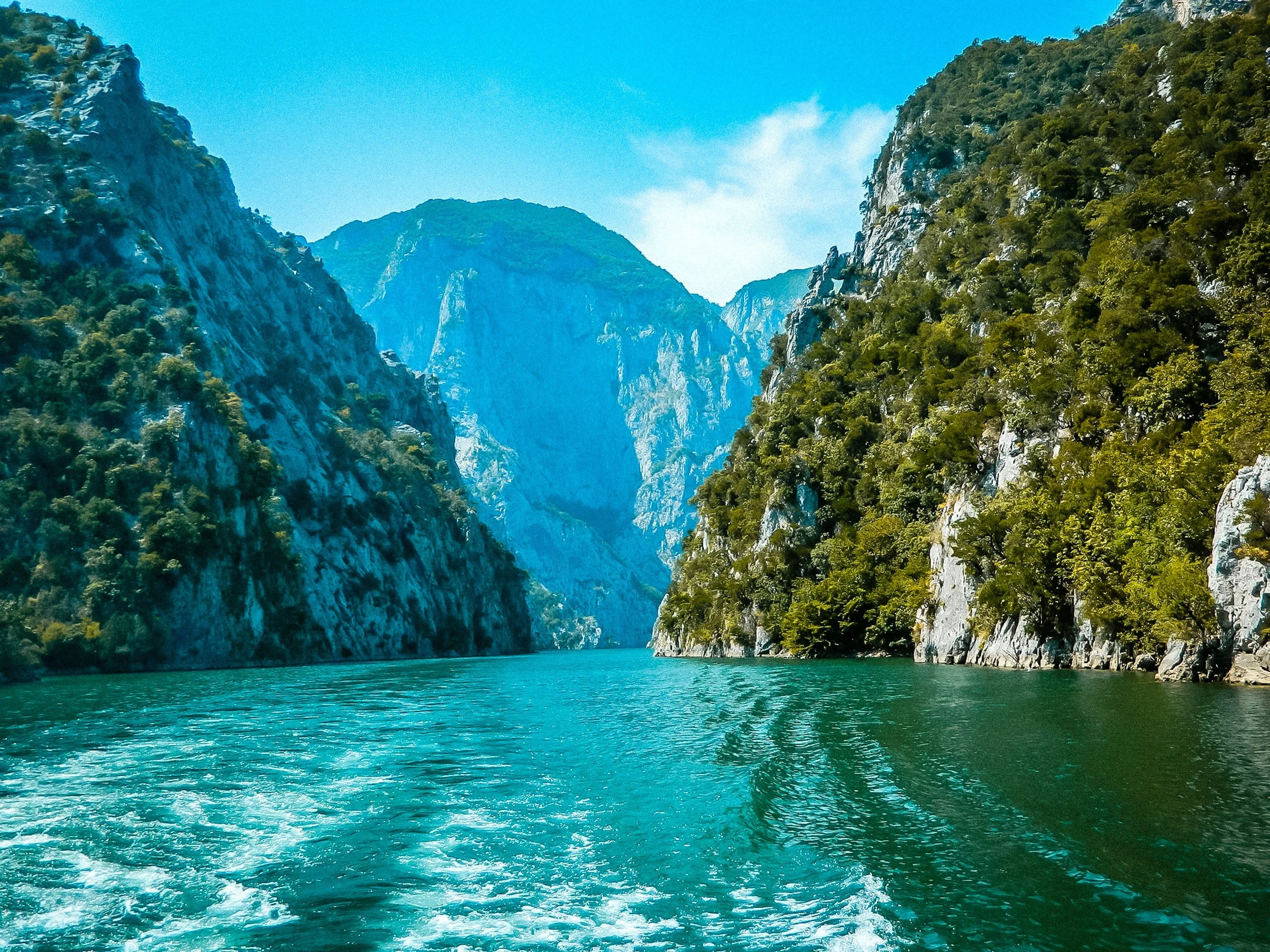
Croatia and Albania share a coastline, but that is about all they share. One is the Adriatic everyone knows: polished, well-traveled, with islands, walled cities, and a food and wine scene that holds its own anywhere in Europe. The other is the Adriatic almost no one knows yet: quiet coves, stone towns barely touched by mass tourism, and prices that still belong to an earlier era.
How do you pick between them? Here is how I break it down for the travelers I design for.
The Coastline
Croatia: the Dalmatian classic
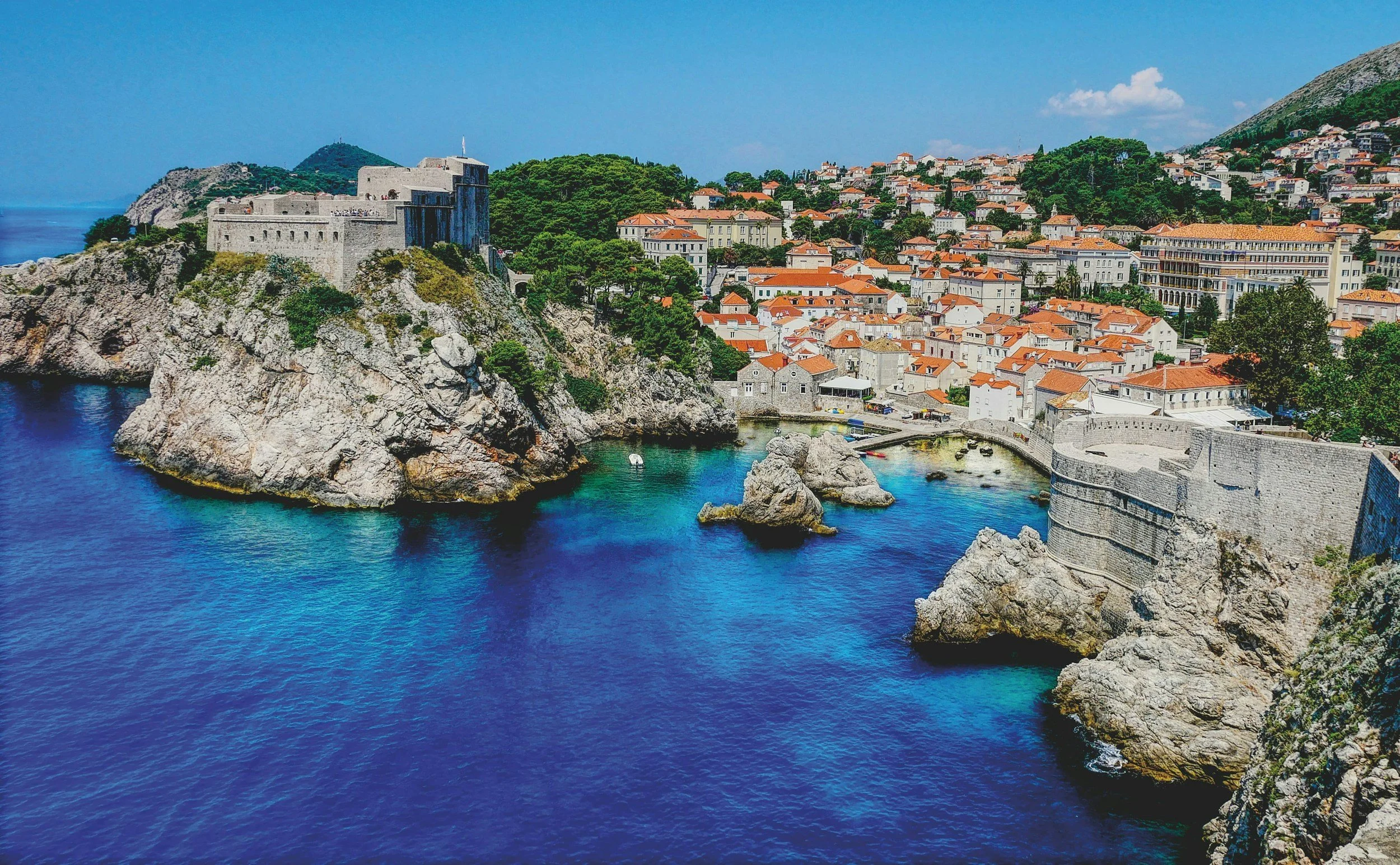
More than 1,200 islands, water so clear you can see forty meters down in the right conditions, and harbors that have been receiving sailors since Roman times. The island circuit from Split to Dubrovnik, with Hvar, Vis, Korčula, Brač, and Mljet along the way, is the classic Adriatic route for good reason.
The catch is timing. Dubrovnik in July is packed, and the famous spots only empty for the early and the patient. Croatia rewards design: early starts, private timing, and guides who know when to go where. Most of the coastline is pebble and rock, which is exactly why the water is that clear. The famous sandy exception is Zlatni Rat on Brač.
Albania: the Ionian Riviera, still uncrowded
From Vlorë south to Sarandë, the Albanian Riviera opens onto water that rivals anything north of it. Ksamil, Dhërmi, Himarë, Borsh: white sand beaches that are still quiet by Mediterranean standards, backed by limestone mountains. A private boat from Sarandë to the Three Islands can still feel like your own corner of the sea.
The trade-off is infrastructure. It varies by spot, the south is better developed than the north, and Ksamil in July and August has genuinely started to fill. Late May, June, September, and October are the sweet spot.
History and Culture
Croatia: living history, expertly kept
Diocletian's Palace in Split still houses some 3,000 people inside a Roman emperor's retirement residence. Dubrovnik's walls are among the most beautiful fortifications on earth. Šibenik's stone cathedral was built over a century with no binding material; the Stari Grad Plain on Hvar has been farmed since 384 BC. Ten UNESCO sites in total, with guides and access routes refined over decades.
Albania: history you can still touch
Butrint, founded in the 8th century BC, layers Greeks, Romans, Byzantines, Venetians, and Ottomans on one forested peninsula between the sea and a freshwater lake. Berat, the City of a Thousand Windows, is a 2,400-year-old town of stacked Ottoman-era houses; Gjirokastër is a stone city under a 12th-century castle. Both are UNESCO-listed and still working towns, not museum pieces.
Then there is the communist layer: Tirana's converted bunkers and the House of Leaves surveillance museum hold the story of Europe's most isolated 20th-century state. That chapter has no equivalent anywhere else on the continent.
Food and Wine
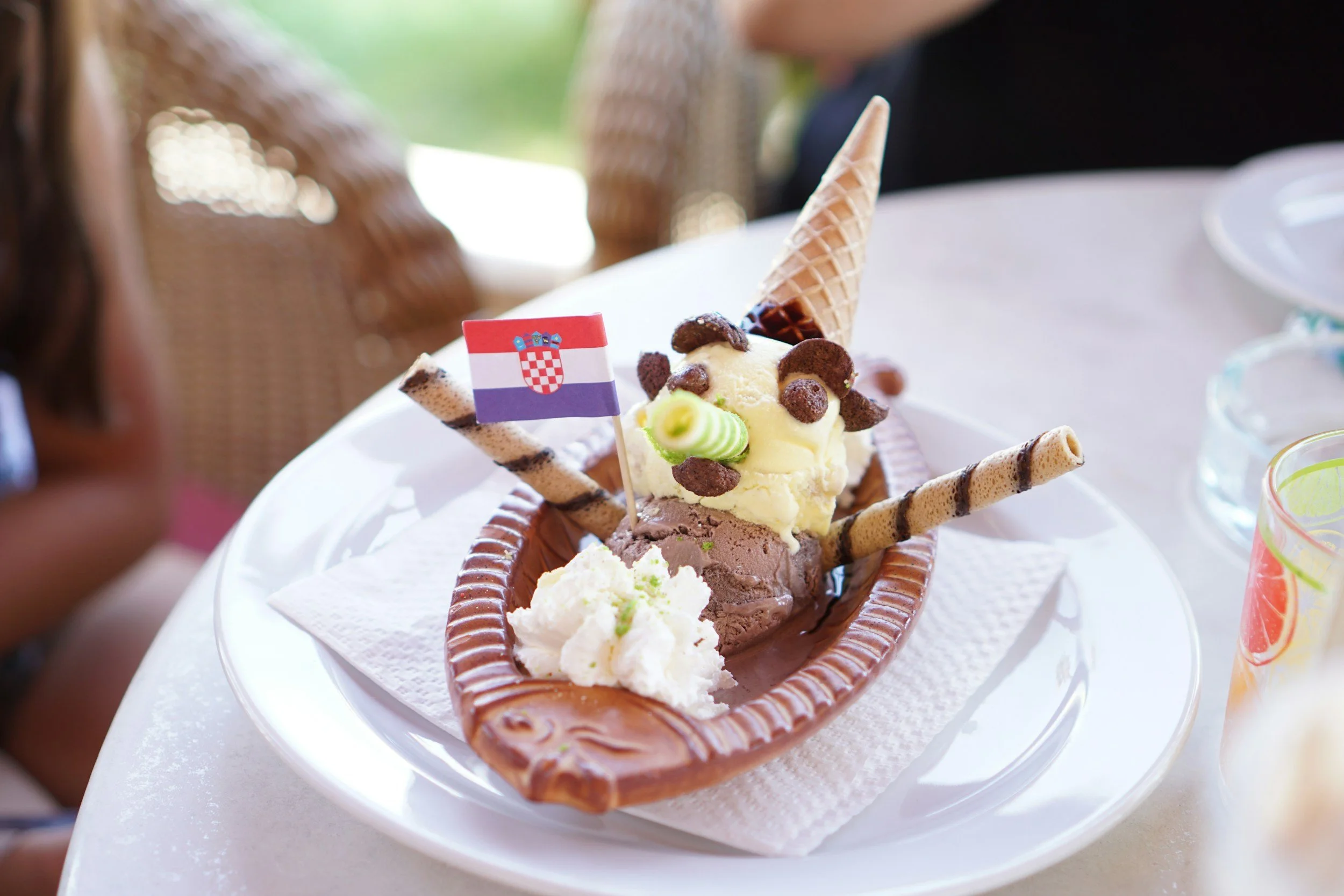
Croatia: Dalmatian tables, Pelješac reds, Istrian truffles
Fresh catch served simply in family konobas, Plavac Mali reds from the Pelješac Peninsula, indigenous white grapes on Hvar, and an Istrian truffle scene that stands with Piedmont. The LD Restaurant at Lesić Dimitri Palace on Korčula holds a Michelin star; the oysters at Mali Ston Bay are worth the detour on their own.
Albania: farm-to-table before it was a slogan
Short supply chains mean the produce tastes like it should. Grilled seafood on the Riviera is fresh, simple, and excellent. Tavë kosi and fërgesë carry the Ottoman and Greek influences of the south; indigenous grapes like Kallmet and Shesh i Zi are starting to appear on serious wine lists. An emerging discovery, not an established scene, which has its own appeal.
Adventure and the Outdoors
Croatia: sailing's home waters
Over 1,200 islands and a well-built charter fleet make this a sailor's coastline, with routes, harbors, and services refined over decades. The Kornati archipelago's 109 mostly uninhabited islands, Plitvice's 16 cascading lakes, Mljet's saltwater lakes and 12th-century island monastery, plus hiking above the coast and kayaking the Cetina canyon near Omiš.
Albania: wild rivers and undeveloped mountains
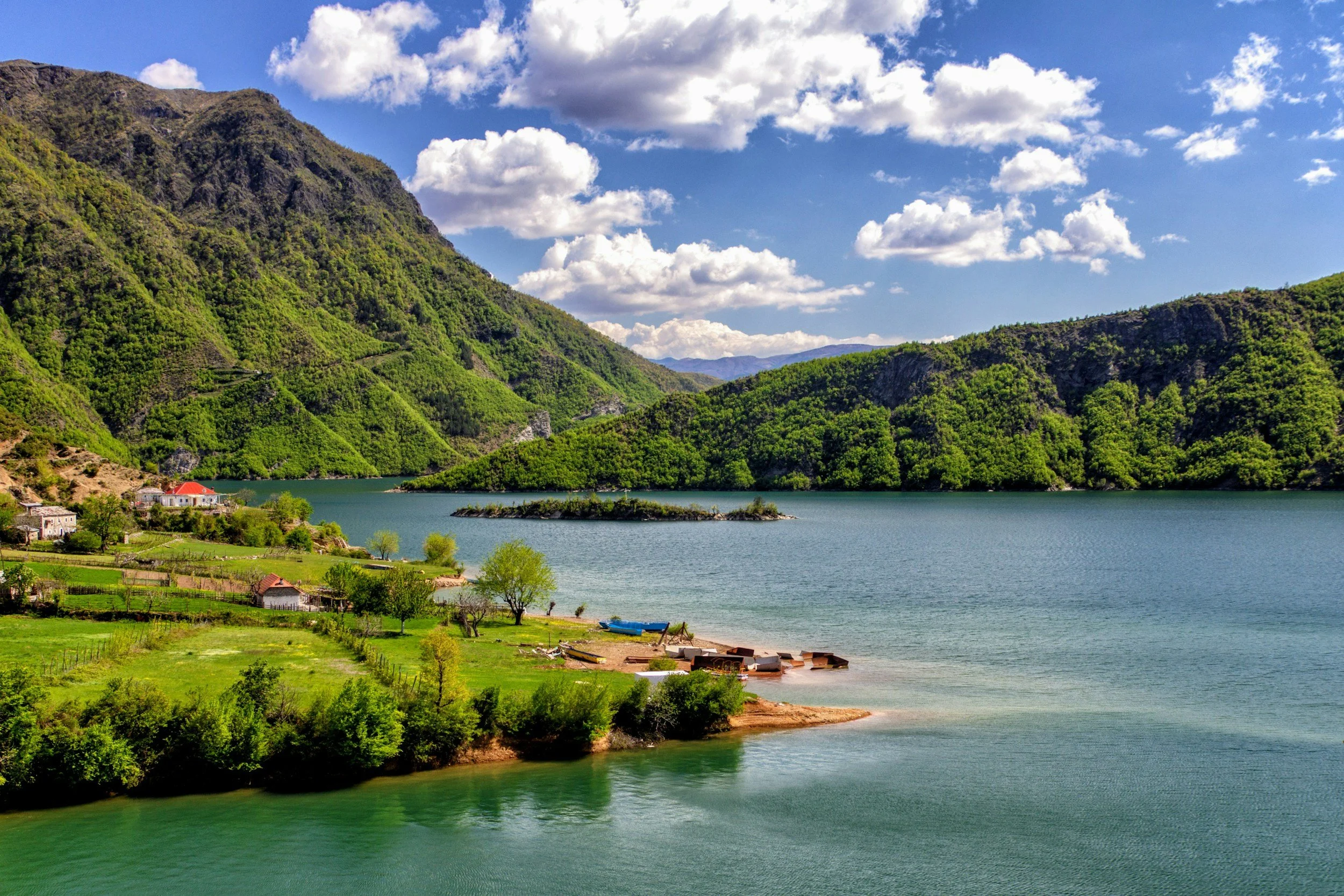
The Vjosa, declared a national park in 2023, is Europe's last free-flowing wild river, with rafting through limestone canyons that feels genuinely wild. The Albanian Alps, known locally as the Accursed Mountains, offer multi-day treks between Valbona and Theth, reached by ferry across Lake Koman. Ziplines, ATV trails, and off-road jeep routes round it out. The infrastructure is still being built, and that rawness is part of the appeal.
Which Trip Is Yours?
Choose Croatia if you want a reliably excellent trip with a high ceiling and easy logistics. First Adriatic visit, yacht charter (the island density is unmatched), food and wine as a headline act, or a plan you can trust at every step. Repeat visitors can go deeper: quieter islands, the Istrian interior, the lesser-visited corners of the hinterland.
Choose Albania if you have done Croatia and want genuine discovery. Adventure over sun decks, privacy over polish, modern European history you cannot find anywhere else. It also wins on budget: roughly €42 per person per day versus Croatia's €69, which is a real factor on longer trips and larger groups.
Or choose both. They pair beautifully on one itinerary, with Croatia's polish bookending Albania's wildness. That is often the answer I land on with clients.
If you are weighing the Adriatic, I design custom itineraries for both countries. Start with the application, and we will build the trip around what you actually want from it.
